5 May 2026
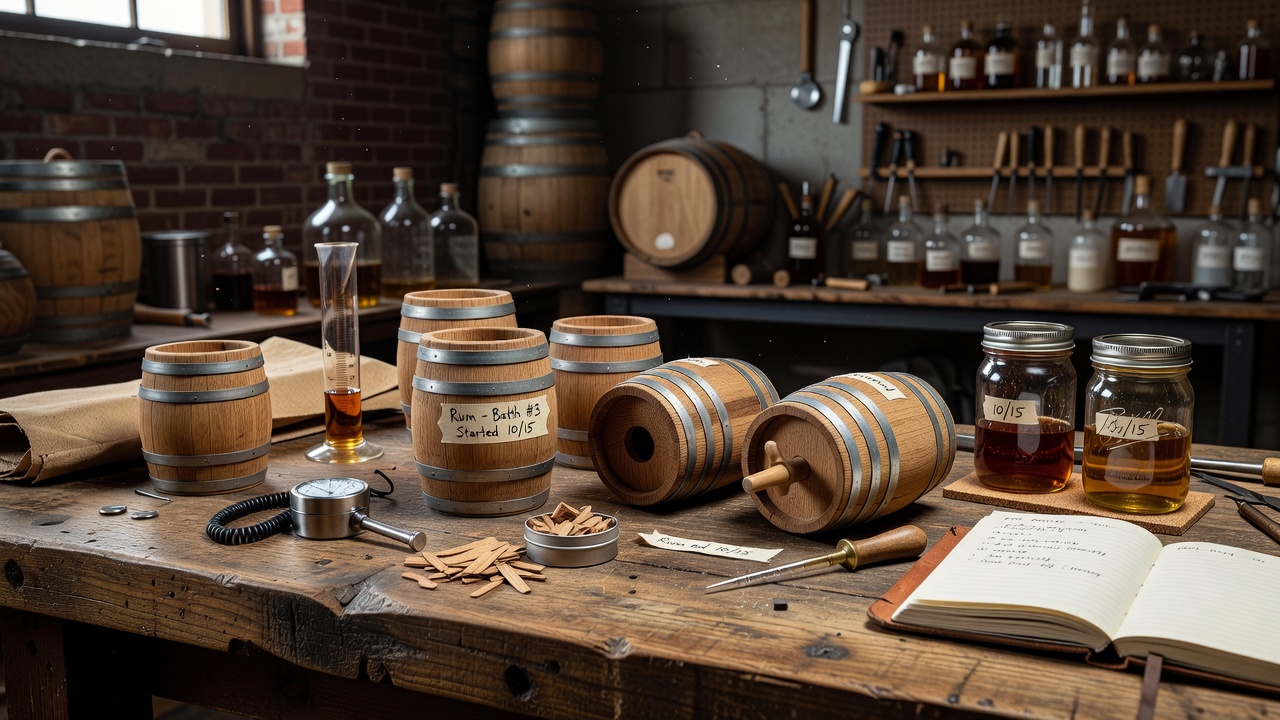
Micro casks provide spirit enthusiasts with a compact method for aging small volumes of whiskey, rum, and other liquors. They allow controlled experimentation that fits within both traditional barrel techniques and modern home practices.

Defining Micro Casks Against Larger Barrels
Standard distillery casks often exceed 200 liters, while micro versions typically range from one to five liters. The smaller capacity increases the wood-to-liquid ratio, accelerating flavor extraction from oak. This produces noticeable changes in weeks instead of years. Common materials include charred American oak or toasted European oak, selected to match the base spirit and desired profile.
Users can select different toast levels or finishing treatments such as sherry or port influences. These options mirror industrial processes but at a scale suitable for personal projects without requiring dedicated storage space.
Benefits Within Home and Craft Contexts
Micro casks support sustainable habits by minimizing unused wood volume and evaporation losses associated with large barrels. Hobbyists maintain several units for parallel experiments, tracking how different woods affect aroma, color, and mouthfeel over time. Temperature and humidity control remain important, yet the reduced size makes consistent cellar-like conditions easier to achieve in residential settings.
Regular sampling helps monitor development without overexposure to air. This approach educates users on maturation science while producing usable quantities for personal consumption or gifting.
Practical Steps for Reliable Outcomes
Begin with a clean, properly sealed cask and fill it completely to limit oxidation. Store away from direct light and extreme temperature swings. Rotate or gently agitate occasionally to promote even contact with the wood. Note changes in tasting notes at set intervals to refine future batches.
These vessels integrate seamlessly into existing routines for spirit care, offering measurable results that complement both historical methods and current interest in small-batch production.